
Shimona Carvalho

I'm Shimona Carvalho, I want to make products that make life better for people. I've worked in software and hardware teams, and am pursuing an interdisciplinary Master's in Computer Science and Cognitive Science. I want to use this varied experience to integrate exciting new technology into users' lives in a supportive and seamless way.

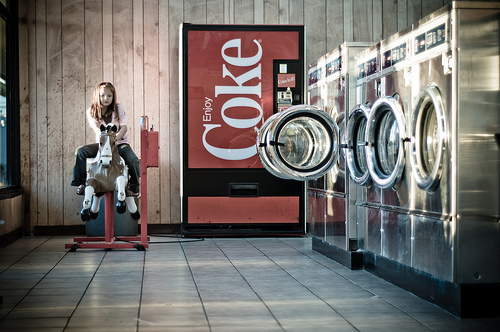
Laundry Day (Image by Erik J. Gustafson)

Make Your Laundry Tweet You When It’s Done

For ages, I’ve wanted to create an Arduino project that will sit in my laundry room (shared in a small complex) and monitor whether the machines are being used or not, so we don’t have to keep checking. But now, a kickstarter project called Twine has beat me to by creating a cool new product to notify you based on sensor information that you can setup. It’s a versatile product that could have many creative uses.

Dancer

You Are The Natural User Interface

With the inspiring Olympic displays of the power and grace of the human body all around us, it seems sad that we confine the human body that is capable of so much strength, agility and power, to interfaces that involve the user of just one finger. In designing interfaces, we need to look at the actual task at hand and design the best interface for it, not just the best touchscreen interface.

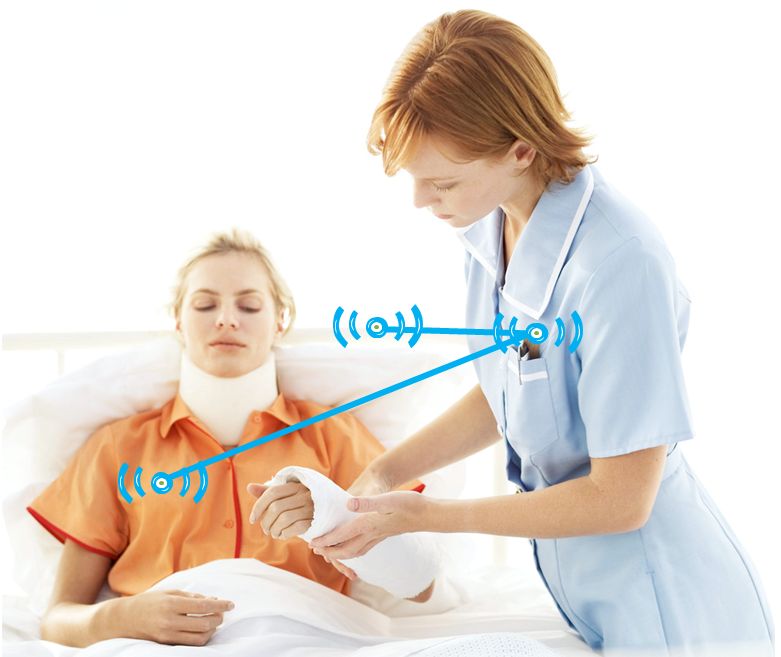
RTLS for hospitals

Awarepoint – UbiComp for the Healthcare Industry

Awarepoint provides a Real Time Location System for healthcare that is non-intrusive in that it doesn’t require users to change their behaviour, but instead integrates into their environment and provides benefit through improving patient care and reducing risks and errors. It uses a proprietary Zigbee-based protocol which means the tags used for tracking the interactions need no recharging for the life of the product.

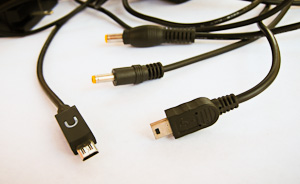
Nest of Chargers

The Nightmare of Ubiquitous Chargers

Remember the future the way we imagined it back in the day? Where everything was magically all-knowing and connected – Your home detected when you returned and played your tunes, lit up the walls with your favorite art and warmed the house up just the way you like it. Why did the dream of ubiquitous computing degenerate into the nightmare of ubiquitous chargers? How might low-power wireless technologies like Bluetooth Low Energy save it?